Every care home has at least one story a month that a local paper would print. The hundredth birthday. The school choir at Christmas. The resident who was a Spitfire engineer. The garden the activities team built from pallets. Almost none of them get sent, because nobody in the home thinks of them as news.
They are news. Local newsrooms have shrunk to a handful of reporters covering whole districts, and they run on what is sent in. A care home that supplies a clean story and a usable photograph is doing a tired reporter a favour. That is the whole trick.
Why the local paper still matters
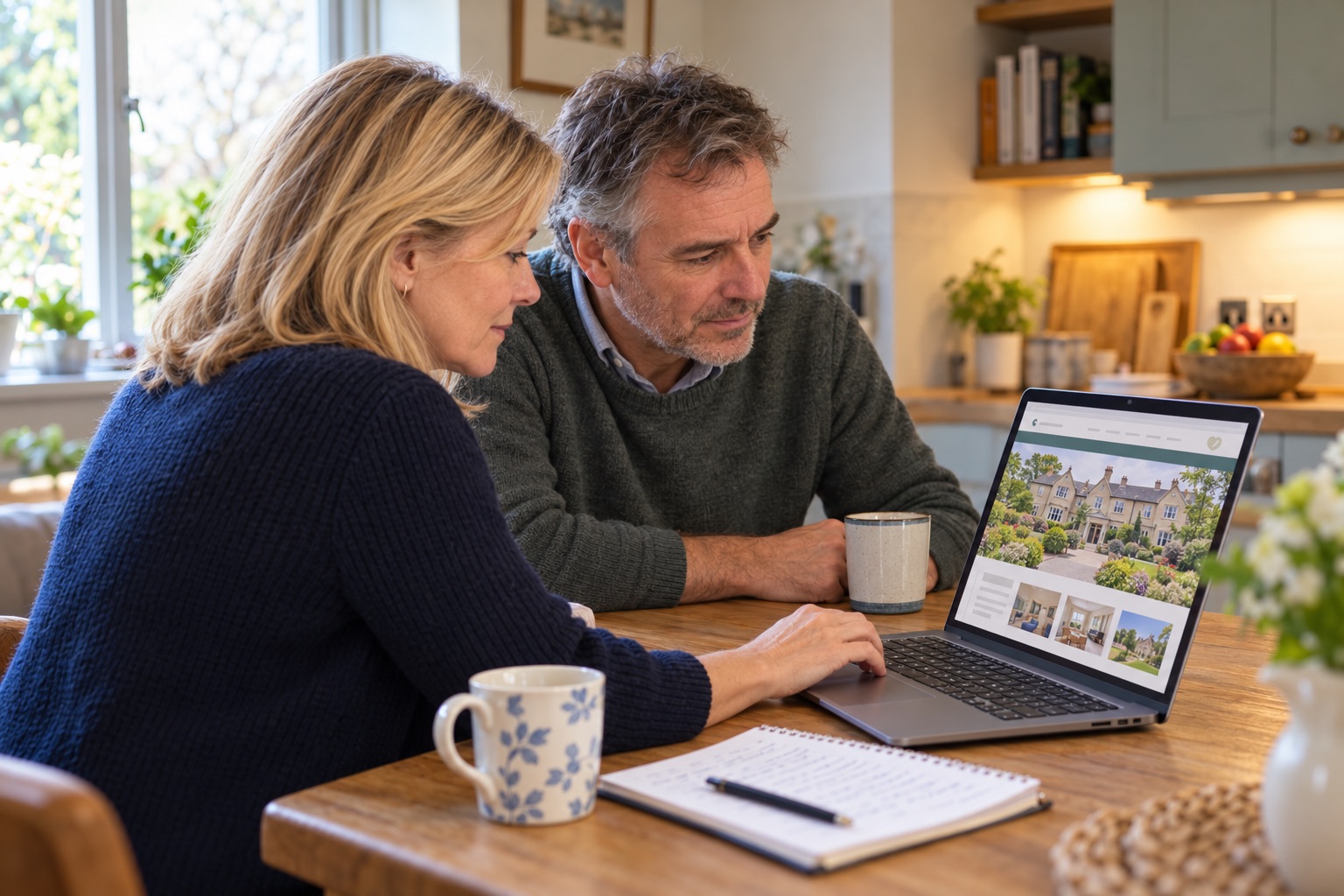
The daughter choosing a home for her mum reads the local paper's website, even if nobody buys the print edition any more. Her neighbours share its stories on Facebook. The GP surgery has it in the waiting room. When she searches your home's name, a positive story from the Wetherby News is the second result under your own website, and it is a result you did not write.
It also sits there for years. A single well-placed story keeps turning up in searches long after the social post that announced it has disappeared.
What counts as a story
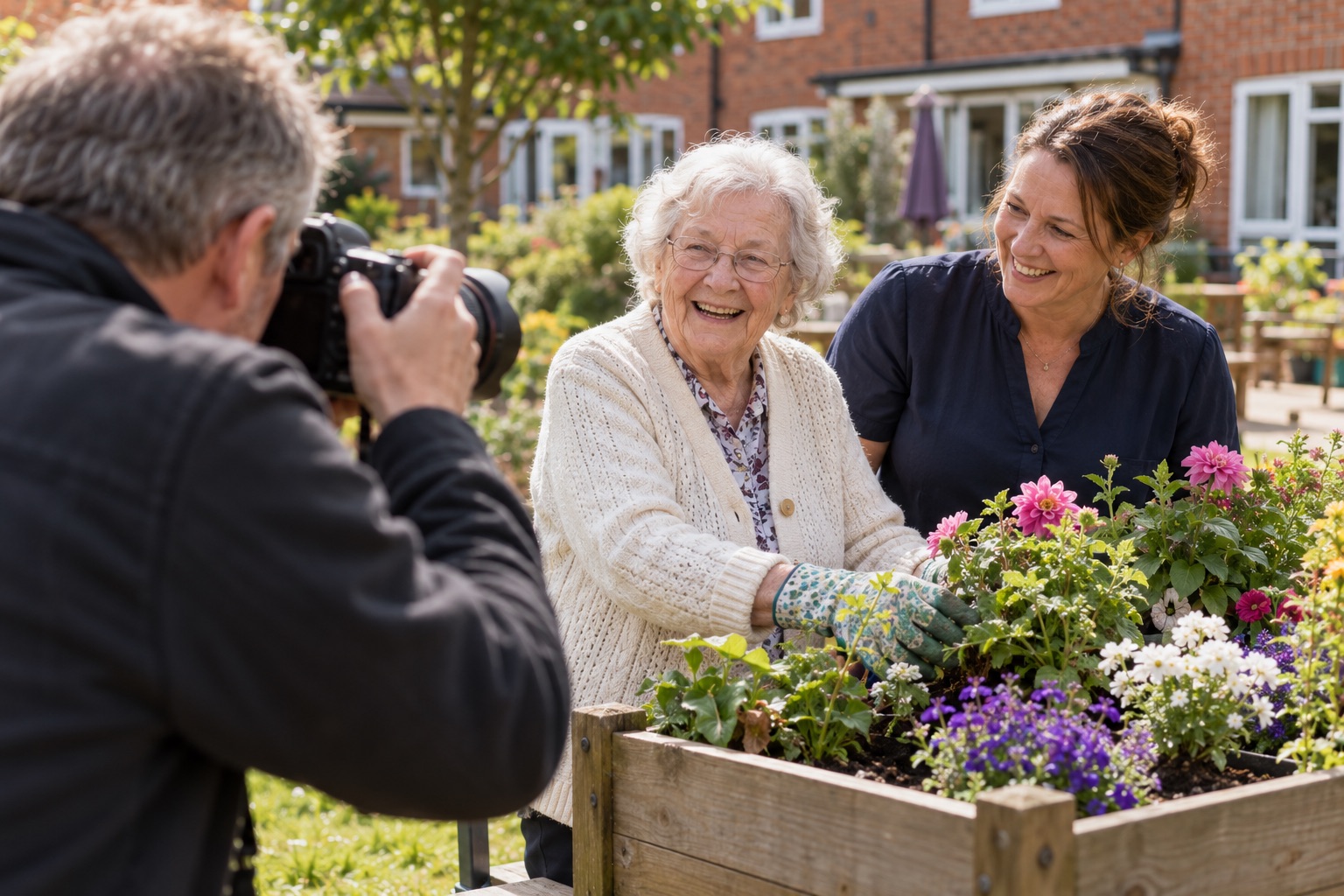
Editors are looking for one of a small number of things. A milestone: a big birthday, a long marriage, a long-serving member of staff. A connection to the area: a resident who worked at the old mill, a link to a local school. A visual: something that makes a good photograph, which is why gardens, animals and children visiting always run. An achievement: an award, an inspection result, a fundraising total. A first: the first home in the district to do something.
What is not a story is anything about the home itself with no person in it. "Care home celebrates refurbishment" will not run. "Resident, 94, cuts ribbon on lounge she helped design" will.
Test: can you say it in one sentence with a named person and a number in it? If yes, it is a story.
Writing it up
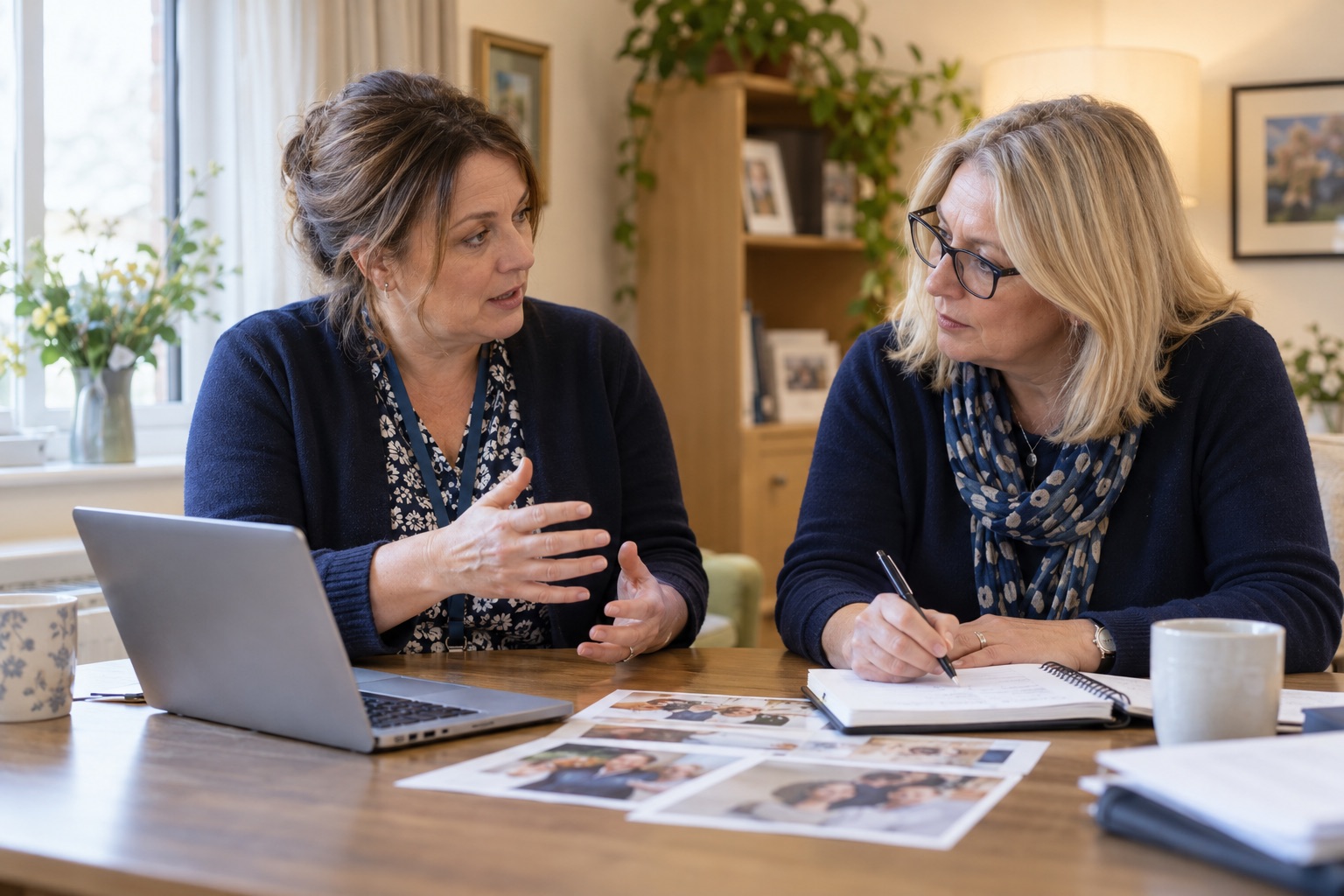
You are not writing an article. You are writing the thing a reporter can turn into an article in ten minutes. Keep it to three or four short paragraphs.
First paragraph: who, what, where, when, in one sentence. "Residents and staff at Oakfield House in Wetherby planted 200 bulbs on Tuesday to mark the home's tenth anniversary."
Second paragraph: a quote from a resident or a relative, in their own words. Not from the manager, unless nobody else will speak. Residents are more quotable than managers, and editors know it.
Third paragraph: one line of context about the home. Where it is, how many residents, what kind of care. No adjectives.
Then a photograph. Landscape, well lit, people looking at the camera or at the thing they are doing, named left to right in the email. Phone photos are fine if they are sharp and taken in daylight. Consent from everyone in it, in writing, before it leaves the building.
Sending it so it runs
Find the name of the reporter who covers your area, not the generic newsdesk address. Their byline is on the stories about your town. Email them directly, with the story in the body of the email, not attached, and the photo attached as a JPEG. Subject line is the first sentence of the story.
Send on a Monday or Tuesday morning. Papers fill their pages early in the week. A story sent on Friday afternoon is forgotten by Monday.
Do not chase after one day. Chase after four, once, politely, offering a different photo. Then let it go. Not every story runs and that is fine, because you will have another one next month.
What to do once it is printed
Put it on the website, in a news section, with a link to the paper. Share the paper's link on your Facebook page, not a screenshot, because the paper notices and remembers who drives traffic to them. Print it and put it on the noticeboard by the front door, where families wait before a showround.
Keep a running list of what is coming up in the home over the next three months. Birthdays, events, anniversaries, staff milestones. That list is your story bank. One story a month from it, sent to the same reporter, and within a year you are the home they ring when they need a care story. That is where PR for a care home starts to pay for itself.
Want this looked at for your home?
Thirty minutes on your homes, your occupancy mix and what you've already tried. No pitch deck.